Bamboo: The Green Engine of Ecological Economy and Culture
Bamboo is not only an ecological guardian, but also an economic resource and cultural symbol. It has the functions of ecological carbon sequestration, economic value-added, and cultural inheritance, and has become a key force in promoting sustainable human development.
Ecological Role: The ‘Green Guardian’ of Carbon Sequestration and Emission Reduction
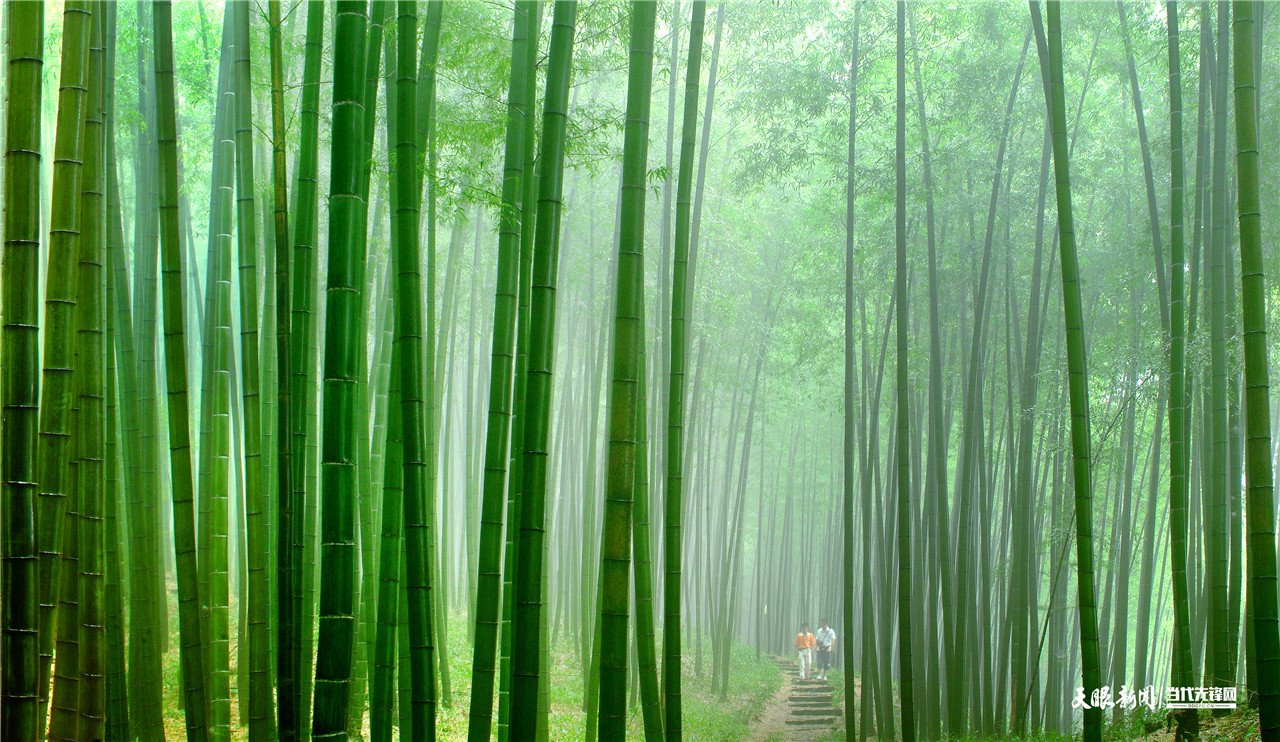
Bamboo grows very fast. Small bamboo shoots can grow up to 1.21 meters in a day and can grow into usable large bamboo in 3 to 5 years. Its photosynthetic efficiency is 30% higher than that of ordinary trees, and each hectare of bamboo forest can absorb 24.31 tons of carbon dioxide per year, equivalent to the emissions of 12 cars per year. The area of bamboo forests in China accounts for only 3.3% of the total forest area, but contributes 7.1% of carbon dioxide absorption. The carbon sequestration efficiency is 1.46 times higher than that of Chinese fir and 1.33 times higher than that of tropical rainforests. Bamboo adopts the “whole plant carbon sequestration” mode, and the underground bamboo whip and soil form a “carbon storage network”. The carbon storage of phytoliths in the soil can be stored for thousands of years, making it a natural “underground carbon reservoir”.
Economic role: the “green treasure” of the entire industry chain
Bamboo has a wide range of uses and can replace traditional materials to achieve “replacing plastic with bamboo”:
1. In terms of building materials: Bamboo wrapped composite materials are 1.5 times stronger than steel and can be used in aerospace equipment and traffic guardrails; Bamboo freight pallets can hold 2 tons of goods, saving 30% material compared to wooden pallets.

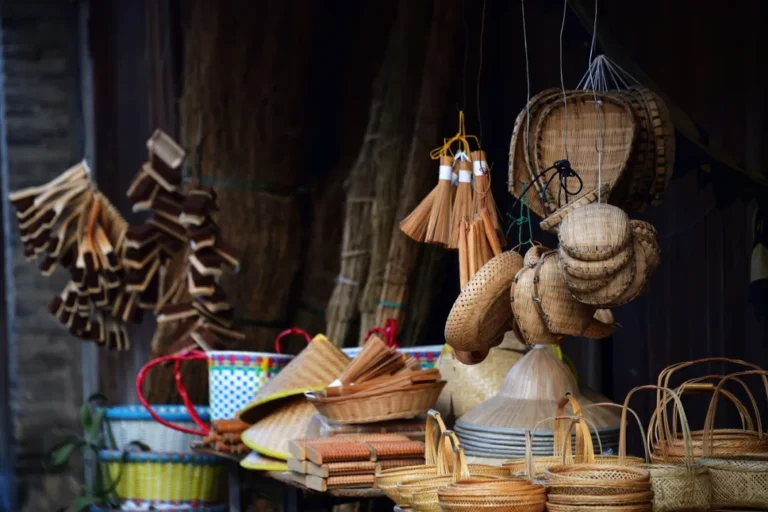
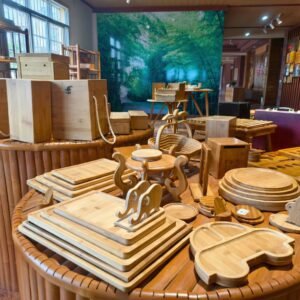
2. Daily necessities and handicrafts: disposable items such as bamboo
chopsticks, bamboo lunch boxes, bamboo toothbrushes, etc. have an annual output value of over 80 million yuan; Combining traditional bamboo weaving techniques with modern design, new products such as bamboo woven phone cases and art installations have been launched.
3. Food and Textile: Bamboo shoots are a common ingredient, bamboo fiber can be used to make towels and clothing, and bamboo charcoal is used for deodorization and food processing.

4. Industry and Environmental Protection: The entire bamboo pulp paper industry chain produces bamboo pulp annually and exports it to Europe and America; Replacing plastic pipes with bamboo wrapped composite pipes reduces carbon emissions by 200 tons per kilometer and has a service life of over 50 years.
Data shows that China produces 150 million tons of bamboo annually, and replacin

g traditional materials entirely can reduce carbon emissions by 450 million tons annually, equivalent to planting 300 million trees. In 2024, the comprehensive output value of the bamboo industry in Chishui, Guizhou will reach 15.86 billion yuan, driving an increase in income for 360000 people.
Cultural Function: Cultural Symbols of Spirit and Art
In Chinese culture, bamboo represents high integrity and perseverance, and is one of the “Four Gentlemen”:
1. Artistic expression: From the poem “Gazing at the Qi Ao of the other side, the green bamboo is small” in the Book of Songs to Su Shi’s statement “One cannot live without bamboo”, bamboo has always been an important theme in poetry and painting creation. Wentong founded the “Huzhou Bamboo School”, and Zheng Banqiao expressed his aspirations with bamboo, giving it a connotation that is close to life.

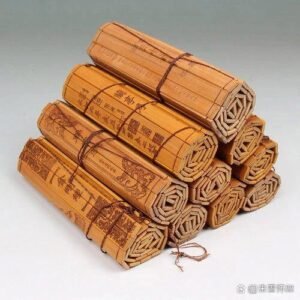
2. Folklore and symbolism: Bamboo slips were important writing materials in ancient times, and allusions such as “too many bamboo slips to write down” and “learning to enrich oneself with five carriages” have been passed down to this day; Bamboo sounds like “wish” and is often used for auspicious meanings such as “bamboo reporting peace”; The evergreen bamboo symbolizes vitality, and the folk use the phrase ‘bamboo nodes rise high’ to symbolize the prosperity of future generations.
3. Intangible Cultural Heritage and Innovation: Traditional bamboo weaving techniques combined with modern aesthetics not only retain traditional skills, but also introduce new products such as bamboo phone cases and large-scale art installations, becoming cultural business cards.

Bamboo is not only an ecological barrier, but also an economic resource and cultural symbol. Under the “dual carbon” goal, “replacing plastic with bamboo” is promoting green development and revitalizing ancient bamboo.